Editable Canva Business Card #19: A Modern Design Solution
In a digital-first world, the physical exchange of a business card remains a surprisingly powerful moment. It’s a tangible representation of you and your brand, a small piece of real estate that can leave a significant, lasting impression. The challenge for many entrepreneurs, freelancers, and creatives is achieving a high-end, professional look without the high-end cost or complex design software. This is precisely where the Editable Canva Business Card #19 shines, offering a sophisticated template that blends sleek modern aesthetics with complete creative control.
Deconstructing the Design: Style and Personality
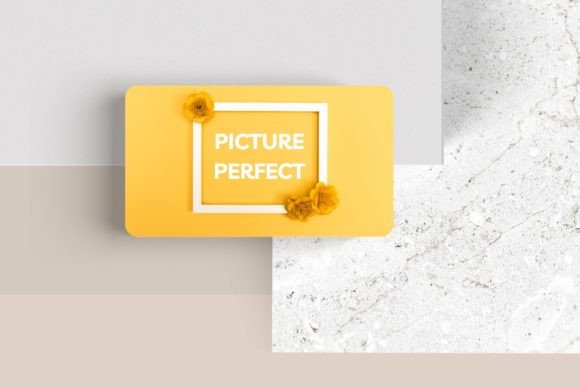
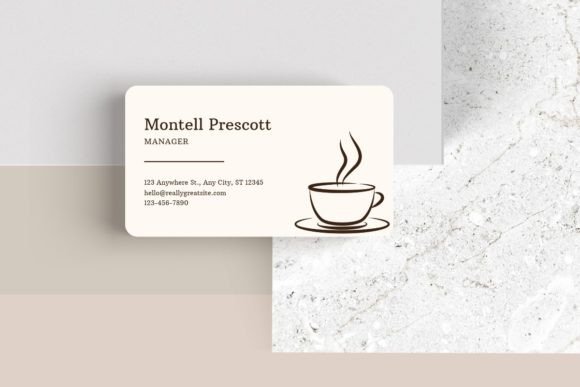
At first glance, the Editable Canva Business Card #119 presents a clean, minimalist, and confident personality. It’s a design that understands the power of negative space, allowing your core information to breathe and command attention. The template typically features a balanced layout, often with a strong typographic hierarchy that guides the viewer’s eye from your name and title to your essential contact details. The overall aesthetic is versatile, leaning into a contemporary feel that can be adapted to suit a wide range of brand identities, from a tech startup to a boutique design studio or a personal coaching service.
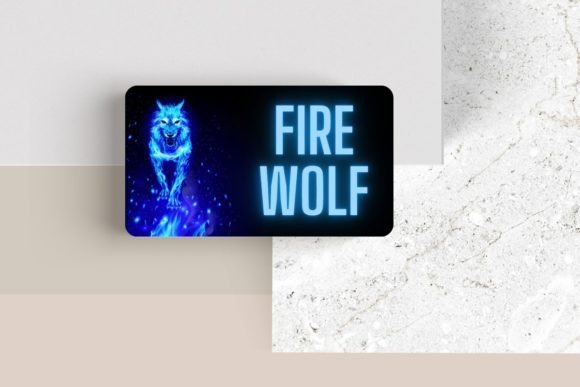
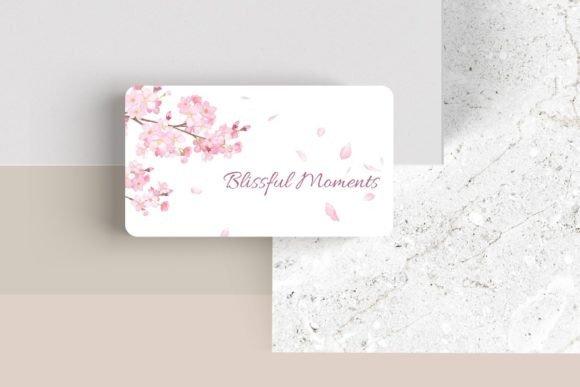
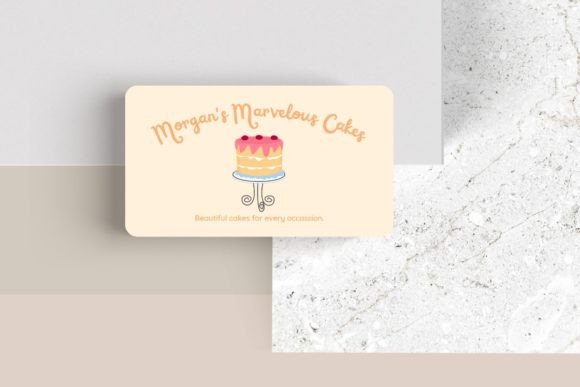
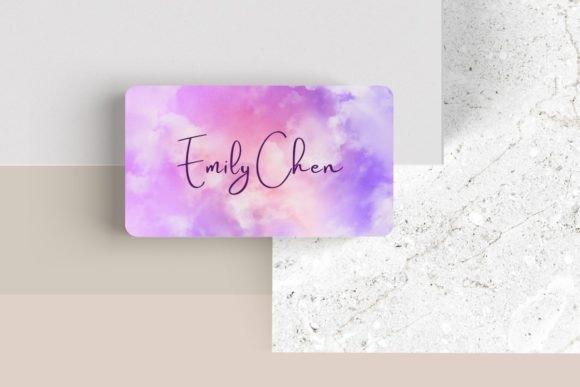
The visual character is defined by its flexibility. While the base design is sleek, its true strength lies in its ability to be transformed. Imagine swapping the default sans serif font for a classic serif font to evoke a sense of tradition and authority for a law firm or financial advisor. Conversely, you could introduce a subtle script font for your name to add a touch of personal flair and elegance, perfect for a wedding photographer or artisan crafter. This adaptability makes it less of a rigid template and more of a foundational design asset for building your brand identity.
Practical Application: Making the Template Your Own
The real-world value of this editable business card template on Canva is its intuitive customization process. You don't need to be a graphic designer to create something that looks professionally crafted. The process is straightforward, allowing you to focus on personalization rather than struggling with technical hurdles. Here’s how you can leverage its features to build a card that truly represents you:
- Typography and Color: The template allows you to change every font, its color, and its size. This is your primary tool for setting the tone. A bold, all-caps display font for your name makes a strong statement, while a lighter weight feels more approachable. Align the color palette with your existing brand colors to ensure consistency across all your marketing materials, from your website to your social media graphics.
- Logo Integration: Your logo is the cornerstone of your visual branding. The template makes it simple to upload your logo file and position it for maximum impact. Whether it’s a prominent feature on the front or a subtle watermark on the back, integrating your logo solidifies brand recognition and professionalism.
- Layout and Element Control: Unlike static templates, this design gives you the freedom to move elements around. If your brand is more dynamic, you might choose an asymmetrical layout. If you have more information to share, like social media handles or a tagline, you can add additional elements like icons or small photos. This control ensures the final product is a perfect fit for your specific needs.
Choosing the Right Typeface for Your Brand's Voice
When you begin customizing the Editable Canva Business Card #19, your font choice becomes a critical decision. The typeface you select does more than just display words; it communicates personality and influences perception. A clean modern typography style using a sans serif font like Montserrat or Lato conveys a sense of innovation and clarity, making it a great fit for tech, consulting, or marketing professionals. These fonts are known for their excellent readability, both on screen and in print.
On the other hand, a traditional serif font like Garamond or Playfair Display can lend an air of established credibility and elegance. This is often a strategic choice for professionals in editorial design, publishing, or luxury goods. For brands that want to emphasize a personal, human touch, a handwritten font or a flowing script can be used for a name or a short phrase. The key is to ensure that any creative font used for body text remains highly legible. A common and effective strategy is font pairing—using one font for headings and another for body text to create a clear visual hierarchy.
Beyond the Business Card: A Versatile Brand Asset
Think of this template not just as a business card, but as a launchpad for your broader brand identity. The design principles and customization choices you make can be carried over to other projects. The color palette and font pairings you settle on for your card can inform the design of your letterheads, invoices, and presentation slides, creating a cohesive and professional brand experience.
This consistency is crucial for building brand recognition. When a client sees the same style and colors on your invoice as they did on your card, it reinforces your professionalism and attention to detail. This premium font and design approach elevates your brand's perception, making your small business or freelance operation appear more established and trustworthy. It’s a small investment of time that pays dividends in how you are perceived in the marketplace.
Finalizing Your Design for Print and Professionalism
Before you send your new card to the printer, take a moment to review it with a critical eye. Check for spelling and accuracy in your contact information. Consider the paper stock—a thicker, matte, or textured card stock can significantly enhance the tactile experience and perceived quality. Ensure there is enough contrast between your text and background colors for easy readability.
The Editable Canva Business Card #19 provides a robust framework, but the final polish comes from your attention to these details. By thoughtfully customizing its elements, you move beyond a generic template to create a powerful networking tool. You’re not just handing out contact information; you’re giving a physical embodiment of your brand’s story, professionalism, and unique style. It’s an accessible way to ensure that every introduction you make is a memorable one.