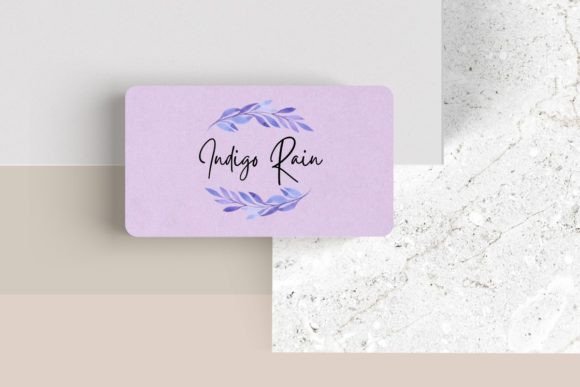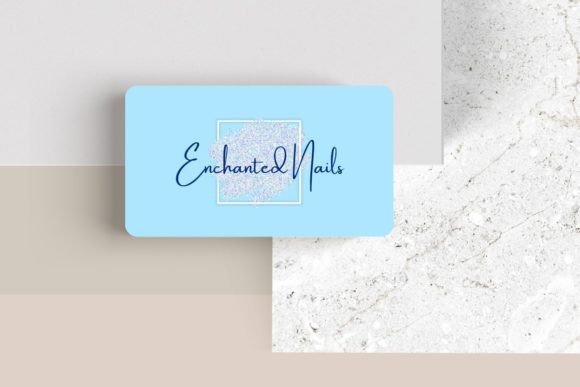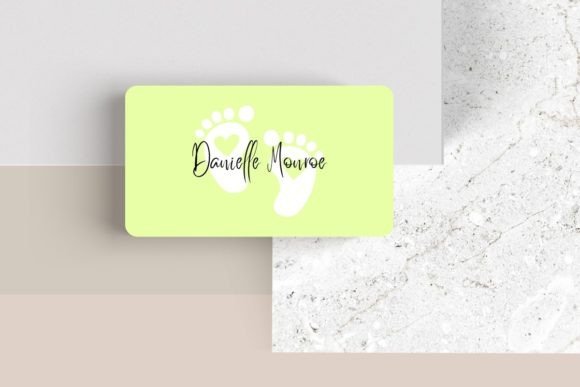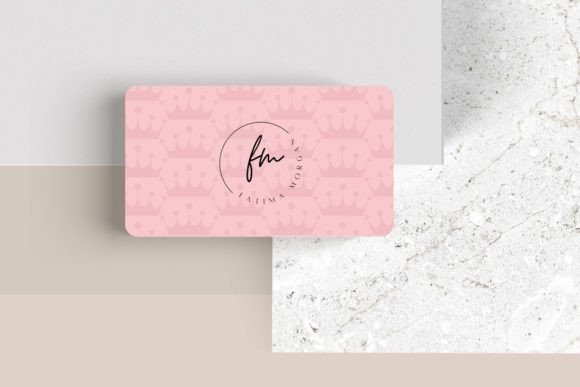
Editable Canva Business Card #23: Your Next Networking Essential
A Sleek, Modern Design for Today's Professionals
Let's talk about first impressions. In a world of digital noise, the physical business card remains a powerful tool. It's a tangible piece of your brand identity that you hand directly to a potential client, collaborator, or investor. Editable Canva Business Card #23 is designed for exactly this moment. It’s not just a template; it’s a sleek, modern canvas built to project confidence and clarity.
Visually, this design leans into clean lines and a balanced layout. It likely uses a strong display font for your name or business title, paired with a highly readable sans serif font for contact details. The overall personality is professional yet approachable—think contemporary tech startup, boutique creative agency, or a sophisticated freelance consultant. The aesthetic avoids clutter, focusing on strategic use of white space to guide the eye. This isn't about shouting; it's about communicating essential information with elegance and precision. The appeal lies in its versatility; it can feel minimalist and corporate or warm and creative, depending on your customization.
Where This Template Truly Shines
The strength of Editable Canva Business Card #23 is its adaptability. It’s a design asset that works across a spectrum of projects. For entrepreneurs and small business owners, it provides a professional foundation for your brand identity without the cost of a full custom design from scratch. You can use the same visual language for your social media graphics and web design elements by pulling the same fonts and color palette from your card, ensuring brand consistency.
For designers and content creators, this template is a practical starting point. You can use it to mock up client concepts quickly. The ability to move elements, swap fonts, and add your own logo design means you can tailor it for different projects—perhaps a more formal version for a corporate client and a vibrant one for a lifestyle brand. It’s equally useful for packaging design inserts or editorial design contact sheets. The key is that it serves as a flexible framework, not a rigid prescription.
Making the Design Work for Your Brand
Customization is where you transform this template into your own. Here’s how to approach it thoughtfully:
- Font, Font Color, and Size: Don’t just pick your favorite font. Consider readability and visual hierarchy. Your name should be the most prominent element. Test the font at the actual print size (3.5″ x 2″) to ensure phone numbers and emails are legible. A script font or handwritten font can add personality for a creative field but might sacrifice clarity for a corporate audience.
- Add Your Logo: Place your logo with intention. It should be clear and sized appropriately, not competing with your contact information. If your logo is complex, consider using a simplified version or a logomark for the card.
- Move Elements Around: Play with the layout. Align text to the left, center, or right. Adjust spacing between lines. Small changes in alignment and spacing can dramatically affect the card's balance and professionalism.
- Add Additional Elements: A subtle pattern, a full-bleed photo, or a simple icon can add depth. However, every element should serve a purpose. Too many additions will create clutter and undermine the sleek, modern foundation of Editable Canva Business Card #23.
When choosing your fonts, think about font pairing. A common and effective strategy is to pair a bold, distinct serif font for headings with a clean sans serif font for body text. Canva offers a vast library, so experiment. Look at how the fonts interact—do they create a pleasing contrast or a jarring clash? Test your final design by printing a few samples on the actual card stock you plan to use. Colors on screen can differ from print, and fine details in some premium fonts may look different at small sizes.
Finally, remember the goal: to create a lasting impression that accurately represents your work. Editable Canva Business Card #23 gives you the tools and the structure. Your job is to inject it with your unique brand voice, ensuring that when someone pulls your card from their wallet days later, they remember exactly who you are and what you stand for. It’s about making a connection, not just sharing contact details.