Editable Canva Business Card #9: Your Modern Branding Toolkit
First impressions in the business world are often silent conversations. A handshake might be firm, but the card you hand over speaks volumes about your attention to detail and brand identity. If you are tired of generic templates that fail to capture the essence of your work, it is time to explore a design solution that balances professional polish with creative freedom. This is where the Editable Canva Business Card #9 enters the conversation, offering a sleek, modern aesthetic that serves as a versatile foundation for various industries.
Unlike static designs that lock you into a specific color scheme, this template acts as a dynamic design asset. It acknowledges that a freelancer, a startup founder, and a corporate manager all have different visual languages, yet they all require the same level of professionalism. The layout is built on modern typography principles, ensuring that your information hierarchy is logical and easy to navigate. It is not just about looking good; it is about communicating effectively in a small, physical space.
Anatomy of a Modern Business Card
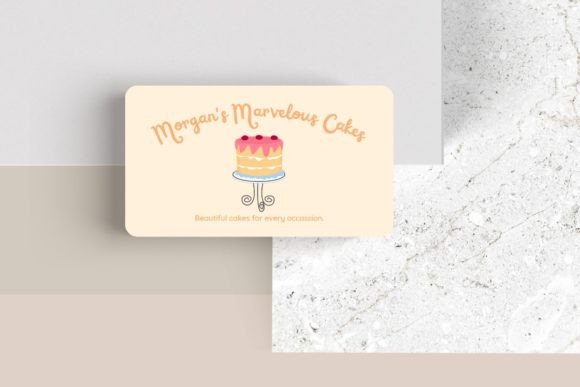
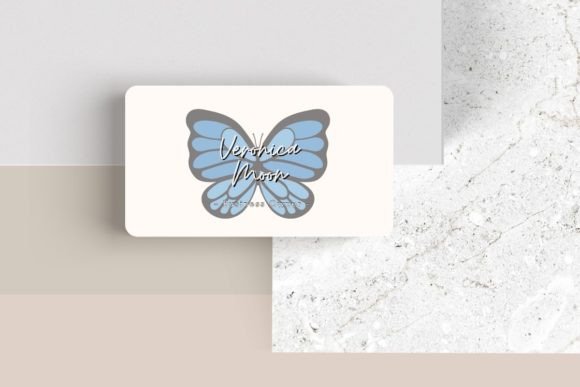
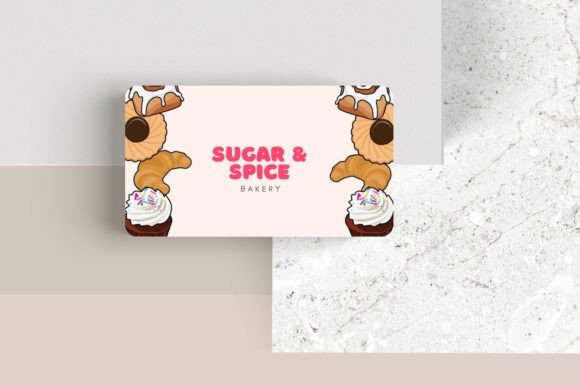
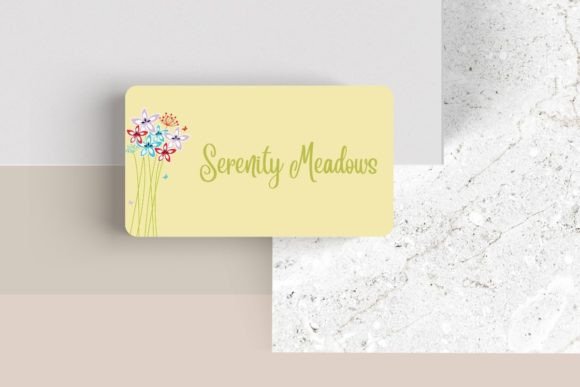
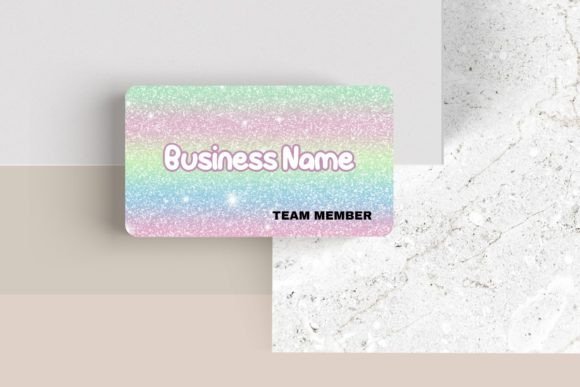
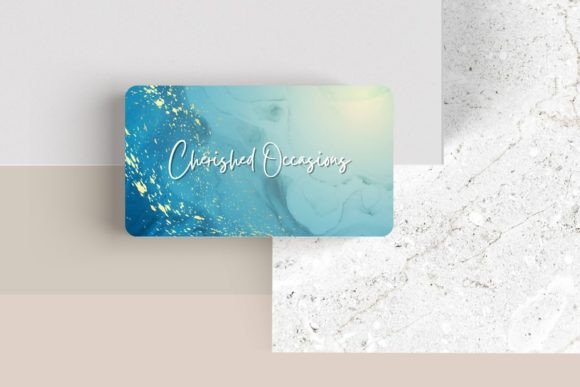
Visualizing the Editable Canva Business Card #9 reveals a design philosophy rooted in clarity and contemporary trends. The layout typically utilizes negative space intelligently, preventing the card from feeling cluttered even when you need to include essential details like social media handles or a QR code. The default aesthetic leans towards a clean, sophisticated vibe—often utilizing strong sans serif fonts for headers to convey stability and trust, paired with lighter weights for contact information to ensure readability.
The "sleek and modern" descriptor is earned through its structural balance. Whether the template features a bold geometric header or a subtle accent line, the visual personality is adaptable. It avoids overly trendy elements that might date the card in six months, focusing instead on timeless design principles. This makes it an excellent choice for brand identity projects where longevity is key. The design does not scream for attention; it commands respect through clean lines and structured information, making it suitable for industries ranging from tech and real estate to creative consulting and wellness.
Unleashing Creative Control
The true power of this business card lies in its editable nature within Canva. You are not just buying a file; you are acquiring a flexible framework. The ability to customize every detail means you can transform the template from a standard corporate look to a vibrant, creative expression in minutes.
Here is a breakdown of the specific customization capabilities that make this template stand out:
- Typography Overhaul: You have full control over the font, font color, and size. If your brand uses a specific script font for a personal touch or a bold display font for impact, you can swap the defaults instantly. This ensures the typography aligns with your existing marketing materials.
- Logo Integration: Brand consistency is non-negotiable. The template allows you to seamlessly add your logo, ensuring that your business card is instantly recognizable as part of your broader visual ecosystem.
- Layout Flexibility: Don't like where the contact info sits? Move elements around to create a composition that suits your eye. You can shift the balance of the card to accommodate vertical logos or horizontal text blocks.
- Visual Enrichment: Beyond text, you can add additional elements like photos or logos. This is particularly useful for realtors, photographers, or influencers who want to put a face to the name or showcase a portfolio piece directly on the card.
This level of customization elevates the user from a passive recipient to an active designer. You are effectively using a premium font and layout system without needing advanced software like Adobe Illustrator. It bridges the gap between professional graphic design and user-friendly accessibility.
Strategic Applications for Entrepreneurs and Creatives
How does the Editable Canva Business Card #9 fit into your specific workflow? The answer lies in its versatility across different mediums and professional contexts.
For the entrepreneur, the card is a physical anchor for your digital presence. By utilizing the customization options to match your website’s color palette, you create a cohesive brand identity. When a potential client receives the card, the visual consistency triggers recognition, reinforcing trust. The modern layout ensures that even if you have a lot of information—such as a title, company name, phone, email, website, and physical address—it remains digestible.
Designers and Marketers can use this template as a starting point for client mockups. The ease of changing fonts allows you to quickly demonstrate different font pairing concepts. You can show a client how a serif font changes the mood compared to a sans serif font, all within the context of a tangible business card.
For bloggers and content creators, the ability to add photos is a game-changer. Instead of a text-heavy card, you can create a visual snippet of your content. Imagine a food blogger using a high-quality image of a dish as a background element, or a travel creator using a landscape photo. This transforms the card from a contact detail carrier into a mini portfolio piece.
Practical Tips for Execution
To get the most out of this design asset, approach the editing process with a strategic mindset. Do not simply swap the text and call it done. Consider these practical steps:
- Evaluate the Hierarchy: Before changing fonts, look at the existing hierarchy. The template likely places your name or business name as the dominant element. Ensure that when you change the font size or weight, you maintain this visual hierarchy so the eye knows exactly where to look first.
- Check Readability: While handwritten fonts or complex script fonts look beautiful, they can be difficult to read at small sizes. If you choose to use a decorative font for your name, ensure your contact details use a clean, legible sans serif font. The 3.5" x 2" standard size demands clarity.
- Color Contrast: When changing font colors, check the contrast against the background. A light grey text on a white background might look chic on screen, but it can disappear in print. Use high-contrast combinations for essential information to ensure your card is functional.
- File Preparation: When you are finished designing, pay attention to the export settings. For professional printing, downloading the file as a PDF with crop marks and bleed is usually the standard. This ensures that the "sleek" edges of your design remain crisp and clean after trimming.
The Editable Canva Business Card #9 is more than just a digital file; it is a tool for professional presentation. It acknowledges that your business is unique and provides the flexibility to prove it. By leveraging its modern layout and deep customization options, you create a networking tool that is not only informative but also a true reflection of your professional standards.