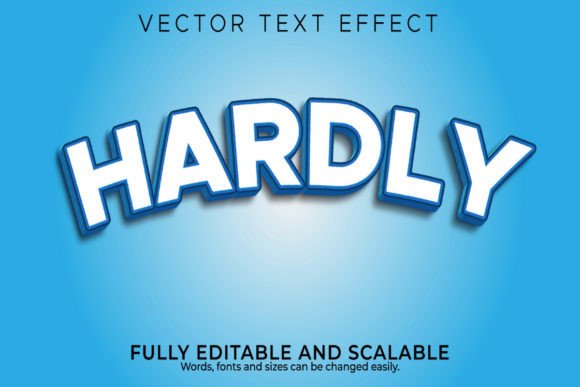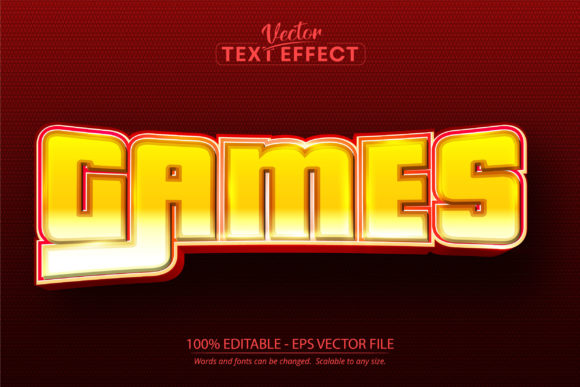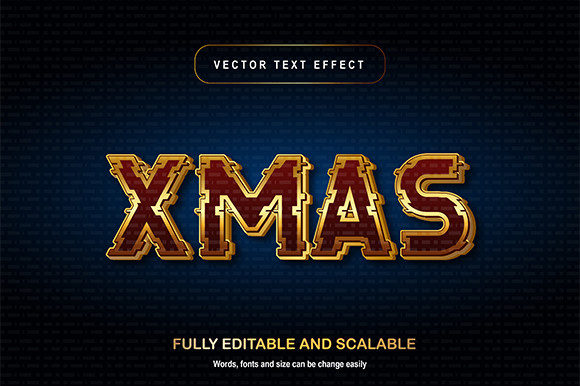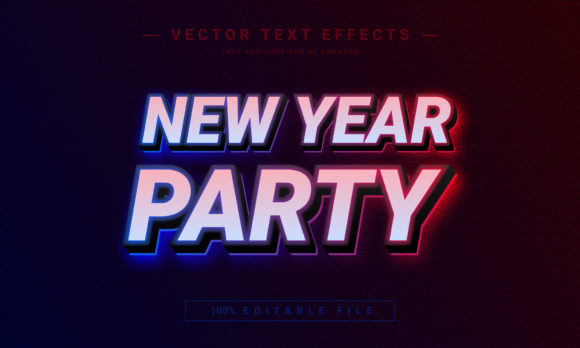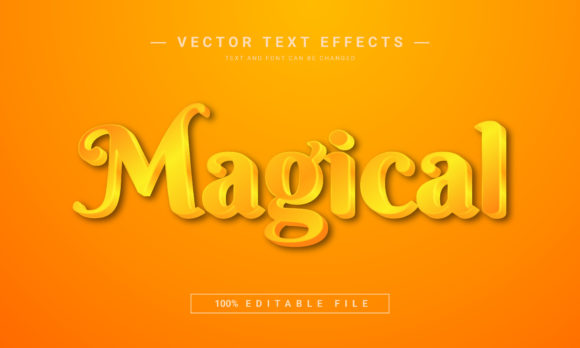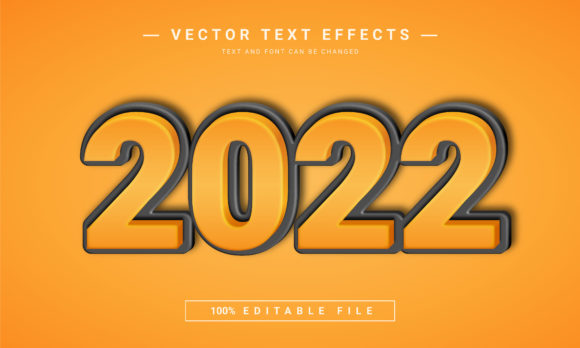
Unleash Creativity with the 2020 3D Editable Text Effect
Understanding the Power of This Modern Typography Asset
In the crowded digital landscape, capturing attention requires more than just good copy; it demands visual impact. The 2020 3D Editable Text Effect is a specific type of design asset that transforms standard flat typography into a dynamic, three-dimensional object. Unlike static raster images where the text is baked into the pixels, this effect is 100% editable. It functions as a template, typically utilizing smart objects in design software, allowing you to transform any word, phrase, or logo into a volumetric masterpiece. The visual personality of this effect is bold, contemporary, and tactile. It mimics real-world lighting, shadow depth, and texture, giving your words a physical presence that flat text simply cannot achieve.
The appeal of the 2020 3D Editable Text Effect lies in its blend of modern aesthetics and practical utility. It is not merely a font file, but a comprehensive style application. The "2020" designation often implies a trend toward sleek, clean lines combined with depth—moving away from the heavy, cartoonish 3D effects of the past toward a more refined, professional look. Whether you are working on a logo design for a startup or creating social media graphics for an established brand, this asset provides a "premium font" feel without requiring you to master complex 3D modeling software like Blender or Cinema 4D. It bridges the gap between amateur design and professional editorial design.
Practical Applications: From KDP Paperbacks to Brand Identity
The versatility of this asset is one of its strongest selling points. For entrepreneurs and small business owners, establishing a distinct brand identity is crucial. The 3D text effect can be used to create striking logos that pop off the page, or headers for websites that immediately convey a sense of modernity and investment. When used in packaging design, the tactile illusion of the 3D effect can make products look more premium on the shelf, influencing buyer psychology before they even touch the item.
For publishers, bloggers, and content creators, the applications are equally robust. If you are working on KDP paperbacks or ebook covers, a bold 3D title can significantly increase click-through rates in crowded marketplaces. The effect is equally at home on Facebook covers or website banners, where you need to communicate a message instantly. Because the effect is editable, you can adapt the same visual style across different platforms, ensuring consistency. For example, a game developer could use this for the title screen, and then easily repurpose the exact same style for promotional posters and social media ads, maintaining a cohesive visual language across all design assets.
Mastering the Editable Workflow
The true value of the 2020 3D Editable Text Effect is revealed in its ease of use. The workflow is designed for efficiency. You typically do not need to spend hours adjusting lighting or extrusion depths manually. Instead, the process involves a simple copy-paste or typing action. You select the layer, type your desired text—whether it is a sans serif font for a tech vibe or a serif font for a classic look—and the smart object updates to apply the 3D depth, shadows, and lighting automatically.
However, practical guidance is necessary to get the most out of this tool. While the colors and sizes are easily changed, you must evaluate the "project fit." Not every typeface works well with every 3D effect. For instance, a very thin, delicate script font or handwritten font might lose its legibility when extruded into 3D because the shadows can obscure the fine strokes. Conversely, bold, geometric typefaces often thrive with this effect, amplifying their inherent weight.
When incorporating this effect into your workflow, consider the following practical steps:
- Evaluate Readability: Always zoom out to see how the text reads at small sizes. 3D effects add visual noise; ensure the letters don't merge into an unreadable blob, especially for mobile users.
- Test Font Pairings: If you use the 3D effect for your headline, pair it with a clean, flat sans serif font for the body text. This creates a necessary contrast and directs the viewer's eye, establishing a clear visual hierarchy.
- Check Licensing: If you plan to use this for a client project or a commercial product (like a t-shirt or a book cover), verify that the asset comes with a commercial font license that covers your specific use case. Most premium assets allow for this, but it is a critical professional step.
Influencing Brand Perception and Audience Engagement
Typography is rarely neutral; it conveys emotion. The 2020 3D Editable Text Effect communicates confidence, stability, and modernity. When a customer sees a brand utilizing high-quality 3D typography, it subconsciously signals that the brand is established and detail-oriented. This is a key component of modern typography strategy. It moves beyond simply choosing a "pretty" font to using type as a strategic asset.
For marketers, this visual weight translates directly to engagement. On a busy newsfeed, a flat text post might be scrolled past, but a dynamic 3D header stops the thumb. It creates a focal point that anchors the design. However, moderation is key. If you use the 3D effect on every single element—from the headline to the sub-headline to the call-to-action—the design becomes heavy and exhausting to view. The most effective strategy is to use the 3D effect for the primary focal point and support it with flatter, cleaner typography for the rest of the information. This ensures the design feels professional rather than gimmicky.
Ultimately, the 2020 3D Editable Text Effect is more than just a stylistic choice; it is a functional tool for visual storytelling. By allowing you to manipulate depth, light, and texture with simple edits, it empowers designers and non-designers alike to produce high-end visuals. Whether you are crafting a game interface, a poster, or a creative font